
 Profile
 Dashboard
 Logout
Table contents
Key takeaways
- Beauty and cosmetics shoppers arrive with their guard up because they cannot swatch a foundation, smell a serum, or test a lipstick before they buy.
- A video bubble on a beauty brand foundation page can show a 20 second clip of someone applying the product to a real skin tone.
- Product pages are the obvious starting point.
Why do beauty and cosmetics brand websites struggle with trust?
Beauty and cosmetics shoppers arrive with their guard up because they cannot swatch a foundation, smell a serum, or test a lipstick before they buy. Returns run high here. A shade mismatch or bad reaction sends the item straight back.
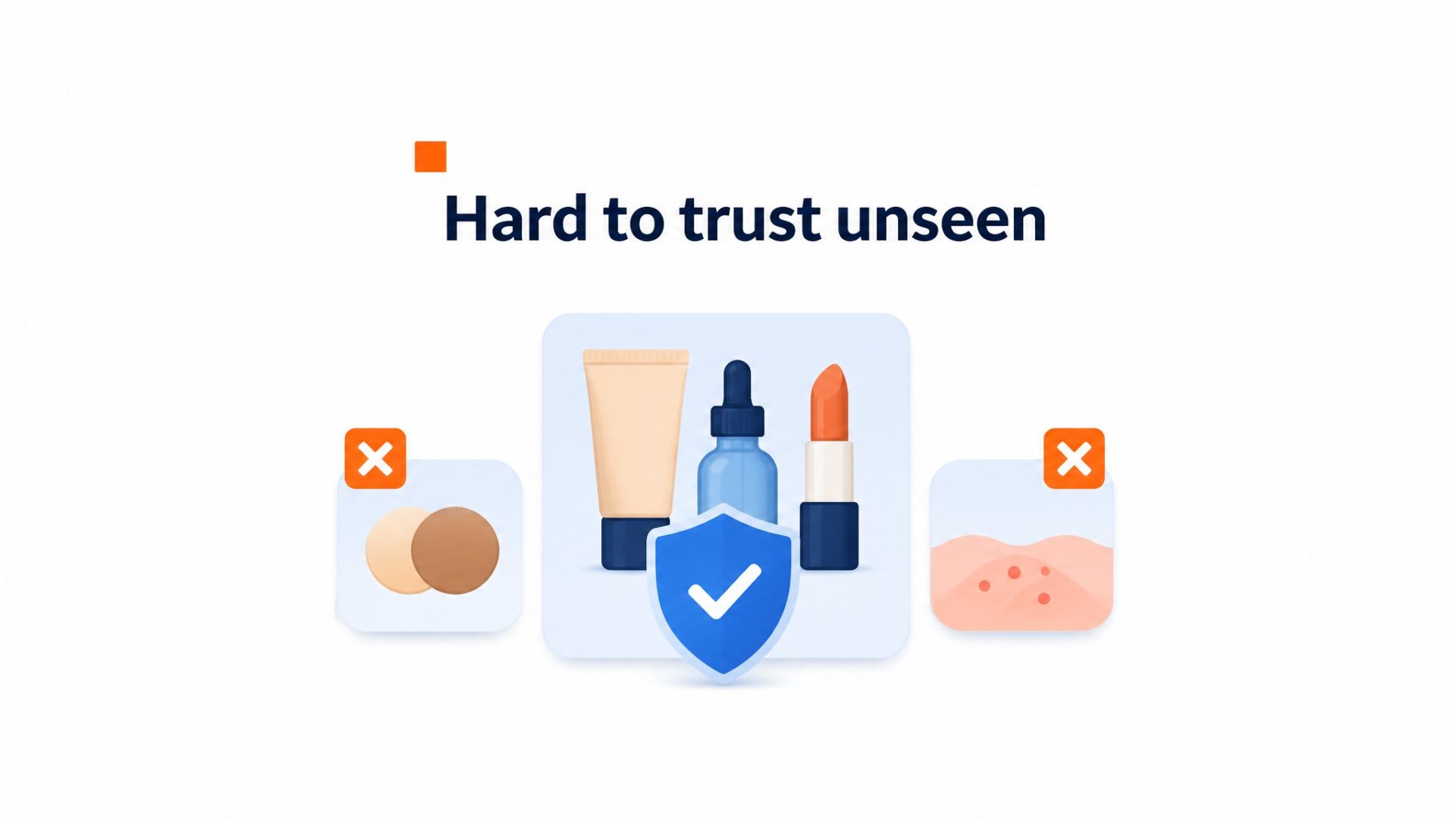
Stock photography makes it worse.
Most brands still rely on heavily retouched campaign images and generic model shots that show one skin tone under perfect studio lighting. Shoppers know this. When a foundation is described as universal but the page only displays it on a single complexion, visitors do not assume honesty. They assume risk.
Nielsen Norman Group ecommerce guidance points to accurate, authentic information as an important part of trust. For beauty brands, that means product visuals, ingredient details, and customer proof need to feel real, not polished beyond recognition.
Reviews help, but beauty shoppers have grown skeptical of them too. A product page with hundreds of identical glowing ratings and no video or photo contributions reads like astroturf to anyone who has ever bought a moisturizer that caused a breakout. They need proof that is harder to fake.
Ingredient transparency is another pressure point. Clean beauty and skincare buyers now scan labels the way food shoppers scan nutrition facts, and a static ingredients list buried below the fold does not answer the real question: will this work for my skin type? The best converting pages go further. They show a real person explaining why the formula matters for a specific skin type.
That gap between marketing promise and personal proof is exactly where beauty sites lose the sale. Most visitors do not bounce because the price is too high. They leave because they cannot picture the product on their own face, and nothing on the page closes that imagination gap.
A shopper who spends ninety seconds reading about a vitamin C serum and then closes the tab was not price shopping. They wanted confidence they never found.
How do video widgets work for beauty and cosmetics brands?
A video bubble on a beauty brand foundation page can show a 20 second clip of someone applying the product to a real skin tone. Visitors cannot get that from a photo. The same widget on a product page can shift to a CTA that adds the item directly to cart or links to a shade finder.
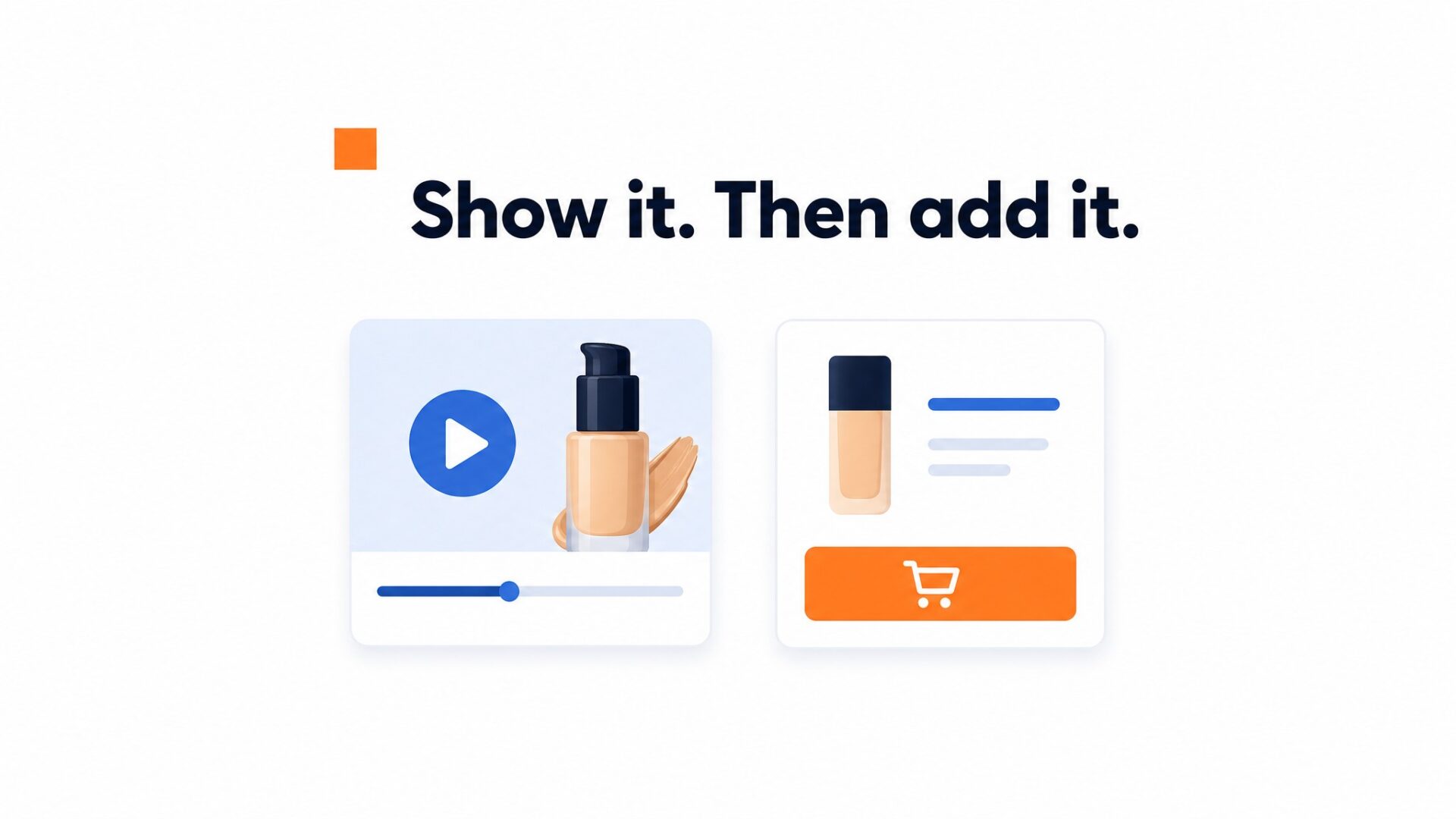
Most cosmetics sites lose visitors at the shade selection stage because buyers are not sure the color will match.
The bubble solves that by surfacing a short video exactly where doubt is highest. It does not follow the visitor around the whole site like a chatbot begging for attention. Instead, it sits on pages where a visual explanation removes uncertainty and moves the shopper toward checkout.
That distinction matters.
Which CTA patterns actually convert?
Three patterns work best for cosmetics. On product pages, the add to cart button inside the widget itself shortens the path from interest to purchase and reduces clicks. That matters. On collection pages, a link to a shade quiz keeps shoppers engaged instead of bouncing to a competitor. On checkout pages, a reassurance video with a free shipping or returns CTA can rescue abandoned carts.

Those results are not beauty specific guarantees, but they show why product demonstration and a visible human face can matter.
CompleteGreet BUILD is $29 per month when billed yearly, or $36 month to month, for 5,000 unique visitors per month, 1 website, and 2 bubbles or videos. No overage fees apply.
One setup quirk is worth knowing. Beauty brands often run seasonal campaigns with different spokespeople, so the widget needs to swap videos without a developer. Most teams skip this and regret it. A spring campaign video still running in July can make a page feel neglected.
Where should you place video on a beauty and cosmetics brand website?
Product pages are the obvious starting point. But they are not the only place where a video bubble earns its keep.
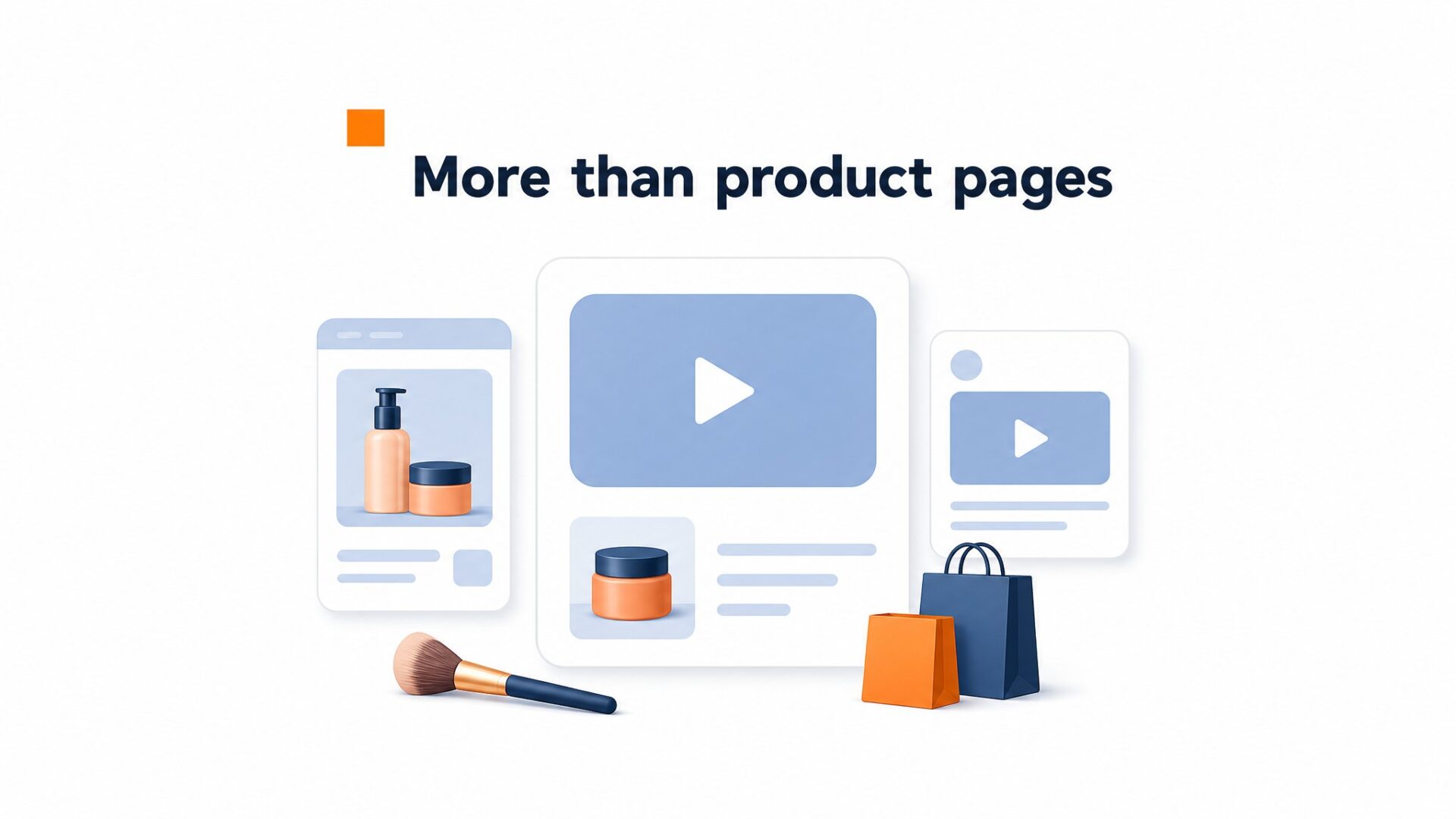
On a product page, shoppers want to see texture, payoff, and wear time. A clip that runs 15 seconds and shows a lipstick swatch or a serum absorbing into skin does more than a static ingredient list ever could. Keep the bubble by the buy button. That is where purchase intent peaks. If the video autoplays without sound, the thumbnail should show the actual product on real skin. Packaging shots rarely do enough on their own.
Homepage placement works differently.
Visitors landing on your homepage are often in browse mode, not buy mode. A short founder video or a clip from the lab can build brand memory. Keep it under 20 seconds. Longer greetings get closed before the value lands.
Shade finder and quiz pages are underrated spots for video.
Beauty shoppers abandon quizzes when the questions feel robotic. A quick clip that explains why you are asking about undertone or skin type keeps people moving through the flow. That context reduces drop off.
The cart and checkout stages are where doubt creeps in.
Video messages at checkout addressing shipping speed, satisfaction guarantees, or return policies can cut last minute abandonment. Most brands bury that information in footer text. A face next to the policy feels different.
About and ingredient pages matter too, especially for clean beauty brands.
A 30 second clip from a formulator talking about sourcing decisions builds more trust than a paragraph of ad copy ever will. Check mobile placement carefully. Overlap with sticky carts, chat widgets, or cookie banners is a setup issue most teams miss on their first pass.
What results have similar businesses measured?
A hair salon is not a cosmetics store, but it is close enough to show how visual trust can affect appointment and inquiry behavior.
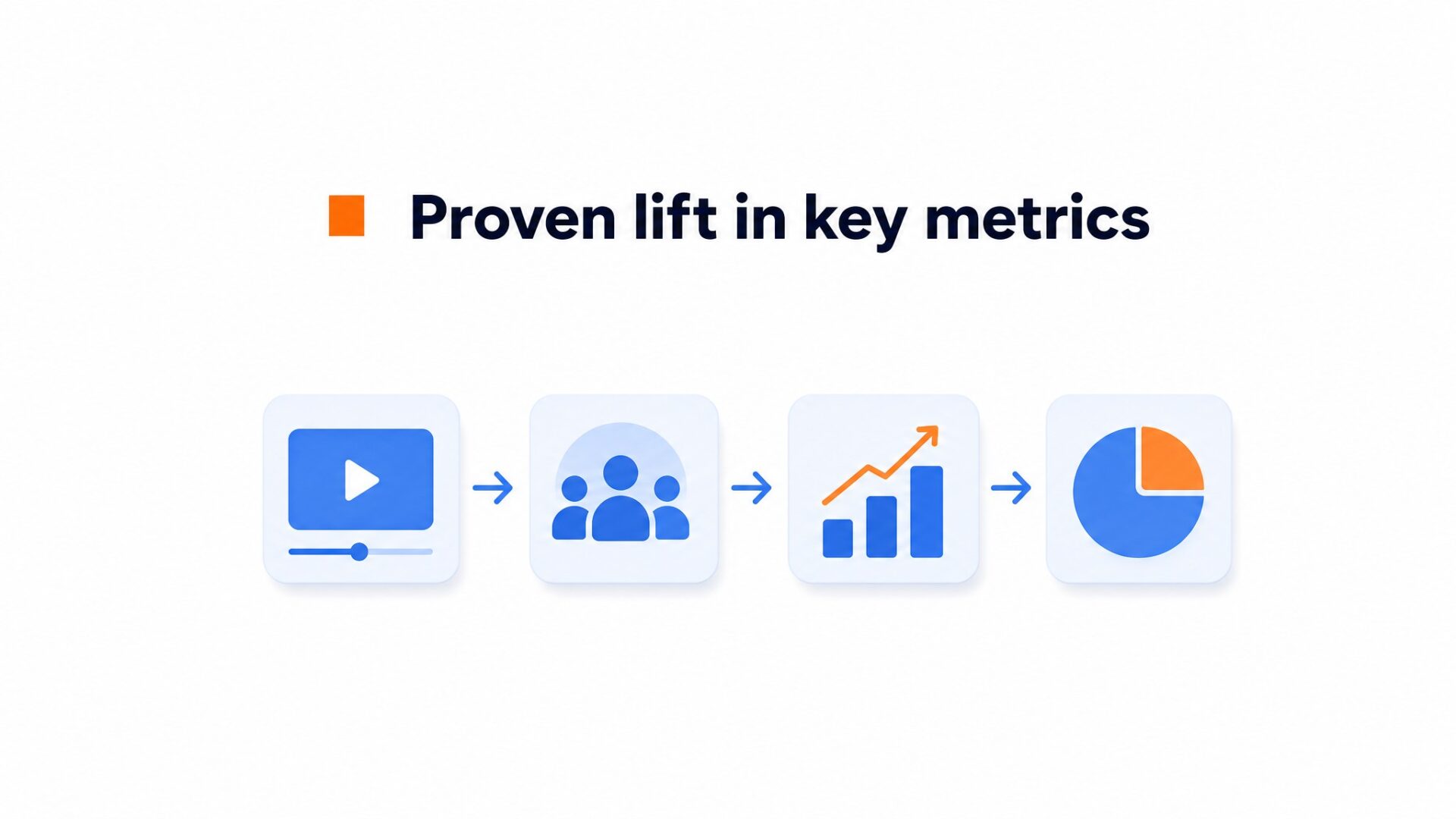
Those are measured case notes, not projections.
Numbers like that do not happen because the video itself is magic. They happen because visitors who would have bounced from a static page stay long enough to ask a question, book an appointment, or watch a product explanation. Beauty brands lose customers right there.
The time on site increase matters for a practical reason. Visitors who stay longer are more likely to see a full product demonstration or read an ingredient list that answers their specific concern. Most teams should not expect a full lift in week one.
The first two weeks usually show a smaller bump while returning visitors adjust to a new bubble placement. The stronger signal typically shows up in week three or four, once new traffic starts arriving into the video experience from the start.
Beauty and cosmetics brands looking for comparable setups can see industry examples across skincare, haircare, and wellness brands.
CompleteGreet BUILD is $29 per month when billed yearly, or $36 month to month, for 5,000 unique visitors per month, 1 website, and 2 bubbles or videos. That makes a 30 day test easy to model before a bigger rollout.
Track your own numbers for 30 days. If inquiries, quiz completions, or product page engagement move in the right direction, the widget is doing its job.
Beauty shoppers often abandon browsing because they cannot verify shade, texture, or application results through a standard product page. Video widgets close that gap by letting brands show real people demonstrating products while visitors stay on the site.
Planning a rollout requires knowing where to place the widget, what engagement changes to watch, and how pricing scales with traffic. These numbers give a baseline for modeling a test before any budget gets committed.
Cost per visitor benchmark
CompleteGreet BUILD costs $29 per month when billed yearly for up to 5,000 unique visitors and 2 active videos. That places the cost at roughly half a cent per visitor. Teams choosing the month to month rate of $36 still keep the cost under one cent per visitor.
The 30 day free trial requires no credit card, so a brand can measure actual inquiry lift against this baseline cost before any charge hits the account.
Readiness checklist before launch
A beauty site should have its two highest traffic pages scripted and filmed before the widget goes live. Running a video bubble on an empty page or a generic homepage rarely matches the conversion impact of a demo tied to a specific SKU.
Teams should also confirm that the widget loads after the main page content so paint metrics remain stable. Google describes Core Web Vitals as real world measures of loading performance, interactivity, and visual stability, and recommends good scores for Search and user experience.
Internal case notes suggest that inquiry volume tends to improve when video is tied to a specific shopper question rather than a generic welcome message. Each additional bubble should serve a distinct shopper segment, not just repeat the same greeting on another page.
For teams comparing month to month flexibility against the yearly discount, yearly billing becomes cheaper after roughly six months on the BUILD plan. After that point, the yearly rate of $29 per month is the lower cost option for any site staying under 5,000 unique visitors.
Common questions
How much does a video widget cost for a small beauty brand?
CompleteGreet BUILD is $29 per month when billed yearly, or $36 month to month, for 5,000 unique visitors, 1 website, and 2 bubbles or videos. The price stays flat regardless of how many times a shopper replays the greeting or books a consultation. A boutique skin care brand with under 5,000 monthly visits would not hit overage fees.
How long does it take to add a video widget to a Shopify store?
Most beauty brands get the widget live in under 5 minutes. The setup is a single script or plugin installation, which means uploading a short greeting and picking which pages show it. No developer time is needed for standard Shopify themes, so a founder can launch it between customer orders.
Do video widgets slow down beauty ecommerce sites?
Async loading helps protect page speed because the video bubble initializes after the rest of the page has rendered. That setup is important for Core Web Vitals on Shopify and WordPress sites, especially on mobile product pages where large images already compete for load time.
What results have similar brands measured after adding a video widget?
The hair salon case also recorded 33 percent longer time on site. These figures reflect observed evidence, not guarantees.
Can a cosmetics brand show different video greetings on different pages?
CompleteGreet lets you assign bubbles to specific URLs, so a brand can run one greeting on the homepage and another on a bestseller page. The BUILD plan includes 2 bubbles or videos, which is enough to test a welcome message against a product specific pitch. Larger plans offer 5 to 10 bubbles.
Which website platforms support CompleteGreet video widgets?
CompleteGreet works on Shopify, WordPress, Wix, Squarespace, Webflow, WooCommerce, custom HTML, React, and Vue. A beauty brand can install it through a plugin, script tag, or direct integration regardless of whether the store is a no code site or a custom build. Platform lock in is not an issue.
Is there a free trial for testing a video widget on a beauty site?
CompleteGreet offers a 30 day free trial with no credit card required. A cosmetics founder can record a greeting, place the bubble on a product page, and measure visitor behavior for a full month before paying. That removes the risk of buying software before knowing if the audience responds to a human face on the site. Trial data helps decide whether to upgrade to a plan with more visitor volume.