 Profile
 Dashboard
 Logout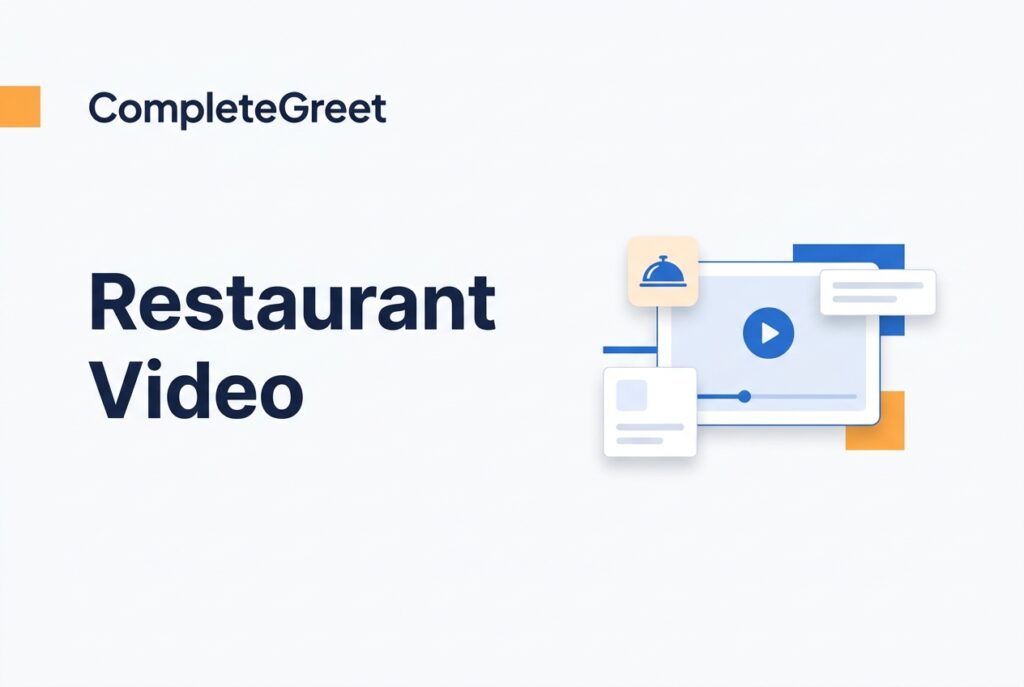
Table of contents
Key takeaways
- Restaurants and hospitality businesses deal with a trust problem that product based sites simply don’t have.
- A video widget puts a small circular player in the corner of your site that auto plays a silent preview of a recorded greeting.
- Where you place the video matters way more than slapping it on every single page.
Why do restaurants and hospitality websites struggle with trust?
Here’s something most people don’t think about: restaurants and hospitality businesses have a trust problem that product sites never deal with. Your potential guest can’t smell the food, feel the vibe of the room, or tell whether your staff actually gives a damn, not until they walk through the door.
So the website has to stand in for the whole experience. And honestly? Most restaurant sites blow it. Stock photos of generic pasta, cookie cutter WordPress templates, copy that reads like it came out of a marketing textbook, all of it screams “this place could be anywhere, run by anyone.” Even one blurry photo of the dining room taken on someone’s phone can kill a booking faster than a bad Yelp review. On mobile, you’ve got maybe ten seconds to convince someone to stick around.
Independent restaurants get hit the hardest here. A Hilton or Marriott? They’ve got brand recognition doing the heavy lifting. But a local boutique hotel or a family run bistro doesn’t have that luxury. Visitors are actively hunting for signs that real humans are behind the operation. They’ll dig into the About page. They’ll check Instagram for recent posts. And yeah, they read the one star reviews first.
Most hospitality sites don’t pass this test. Nielsen Norman Group research shows that people judge a website’s credibility in under a second, based on visual design alone. For restaurants, that snap judgment includes whether the photos look staged, whether the menu PDF actually loads, and whether anyone’s touched the site since 2019. Honestly, learning how to build trust on a website matters more for hospitality than nearly any other industry, because the purchase is experiential and you can’t get a refund on a bad dinner.
And then there’s the review anxiety piece.
A restaurant sitting at forty reviews with a 4.2 average? It’ll lose to a competitor with two hundred reviews at 4.0. People equate volume with legitimacy. If you’re a newer restaurant, you’re stuck in an impossible catch 22: you need customers to get reviews, but guests want to see reviews before they book. Your website has to bridge that gap with something more persuasive than a reservation widget sitting there doing nothing.
Mobile makes all of this harder. Over seventy percent of restaurant discovery happens on phones. Tiny screens bury the details. People swipe right past anything that looks like an ad or feels cookie cutter. What they want is proof of life, evidence that the chef still plates dishes by hand, that the host remembers the regulars by name.
Static photos can’t give them that. But video? Video can.
How do video widgets work for restaurants and hospitality?
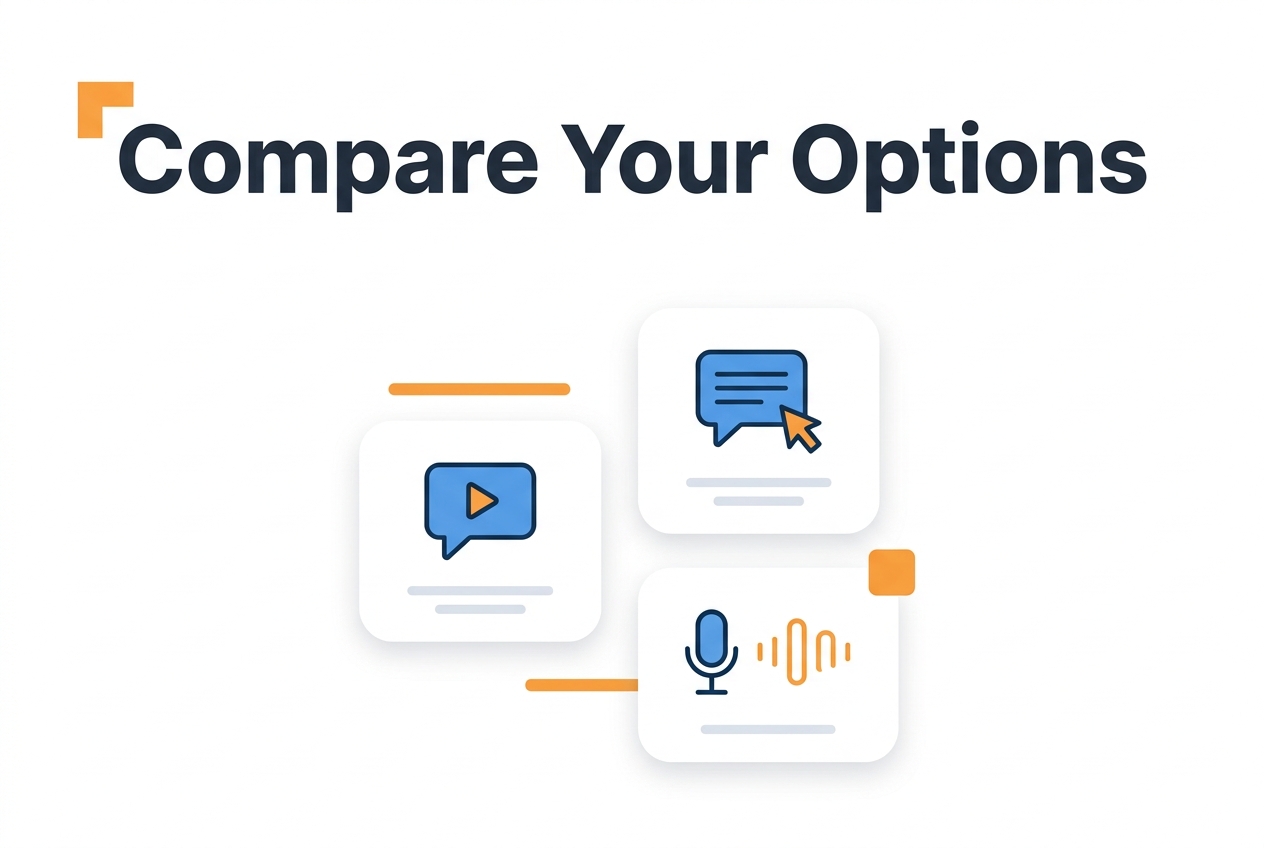
Here’s the basic idea: a video widget loads a small circular player in the corner of your site that auto plays a silent preview of a recorded greeting. When someone clicks it, the audio kicks in and the video expands to show a full message from your chef, manager, or owner.
Why does this work so well? Because hospitality decisions are emotional. When a guest is choosing between your bistro and the one three blocks away, they want to know who’s running the kitchen and whether the atmosphere actually matches the photos.
A thirty second video bubble answers both those questions.
For restaurants specifically, the best spots for these widgets are menu pages, reservation forms, and catering inquiry sections. Menu pages convert better when the greeting mentions dietary accommodations or daily specials. Reservation forms? They see higher completion rates when a manager pops up to personally confirm availability.
Catering pages get the biggest boost when a chef walks through the customization options on camera.
Now, here’s the thing most people underestimate: the actual content of the recording matters a lot. A stiff, corporate sounding greeting performs worse than having no video at all. You’re better off following a video bubble script that opens with a name, states one specific offer, and wraps up with a clear next step.
When it comes to CTAs that actually convert in hospitality, they tend to fall into four buckets. “Book Now” buttons work on reservation pages, especially when the greeting mentions limited seating. “View Menu” links do well on homepage bubbles that tease a signature dish.
Click to Call buttons crush forms on mobile, particularly for same day inquiries. And simple email capture forms work great for catering leads where the sales cycle stretches over days.
One small detail that separates the implementations that work from the ones that get abandoned: the thumbnail frame. Most restaurant owners record in nice natural light but completely forget to check which frame the widget grabs as the preview image. A mid blink expression or an awkward hand gesture becomes your silent ambassador to every visitor. Not ideal.
Always set the thumbnail manually, pick a frame where you’re mid smile with your hands visible.
Mobile behavior is a whole different ballgame in this industry. Dinner guests are browsing menus on their phones during the commute home. The video bubble needs to load without autoplay sound and collapse easily with a swipe.
If the widget ends up blocking the menu navigation on a small screen, your bounce rates will spike immediately.
Evaluating Hospitality Video
Track qualified enquiries and completed reservations
Count
Qualified enquiries
Count
Completed reservations
Time
Viewing and session duration
Rate
Completed bookings per visitor
Measurement guide for hospitality websites. Track completed reservations and qualified enquiries; the available examples do not substantiate a six-site hospitality study.
Measurement guide, not a hospitality performance study
Track qualified enquiries, viewing and completed reservations separately. The available examples do not establish a hospitality uplift benchmark.
See the static HTML data above for the full breakdown.
Where should you place video on a restaurants and hospitality website?
Don’t just throw video on every page and hope for the best. Strategic placement matters way more. The real goal is to show up at the exact moment a visitor feels uncertain or has a question that a wall of text can’t answer fast enough.
Homepage
This is where first impressions happen. A video greeting tells visitors right away that real people run this restaurant, not some faceless corporate brand. Most hospitality sites bury their personality three clicks deep, which is a shame. A homepage video bubble flips that entirely and gives visitors a reason to stick around.
Keep it under 30 seconds. Introduce the owner or chef, mention what makes the place special, and point people toward reservations or the menu. If you want to nail this part, learning how to record the perfect video bubble message will help you create something people actually watch.
Menu page
Menu pages are where visitors have the most questions. Are the portions actually generous? Can you handle severe allergies? Is the vibe casual or more formal? A video bubble here lets the chef or manager tackle those concerns without packing the page full of extra text.
Restaurants that add video to their menu page tend to see longer session times. People pause to watch, then keep scrolling with more confidence. The video doesn’t replace the menu, it fills in the gaps that photos and descriptions just can’t capture.
Reservations page
This is where things get sticky. The visitor’s already decided they want to book, but something’s holding them back, party size, a special occasion, timing concerns. A quick video from the host or events coordinator can smooth all of that out. Maybe they mention that large parties should call directly, or that the patio fills up fast on weekends.
Sometimes one sentence is all it takes to push someone from “maybe” to “booked.”
Private events and catering pages
These are high value inquiries, so they deserve a personal touch. Someone researching wedding receptions or corporate dinners is comparing multiple venues right now. A video greeting from the events manager builds a real connection before the first email even goes out. It signals that your restaurant takes large bookings seriously.
These pages often sit quiet for weeks at a time. But when they do get traffic, that visitor means business. A video bubble grabs that intent and turns it into a conversation way faster than a static contact form ever could.
Of course, placement is only half the equation. The other half is showing up with a message that respects the visitor’s time and actually answers whatever question they’ve got at that moment.
What results have similar businesses measured?
To find out whether a greeting helps a hospitality website, count completed reservations and qualified enquiries. The available examples do not establish a measured restaurant or hotel result.
A greeting can introduce the venue and answer a booking question. The available evidence does not establish an enquiry or session-duration uplift for restaurants and hotels.
Count completed reservations separately from video plays and booking-button clicks. The available examples do not substantiate a hospitality conversion result.
The pattern holds up. When you build trust on website pages using real video, visitors respond, they inquire more and they book more.
Now, not every business is going to hit the top end of these ranges. Things like video quality, where you place it, and how clear your offer is all move the needle.
The available examples do not substantiate a minimum enquiry increase for hospitality websites.
Restaurants and hospitality brands are dealing with a credibility gap that’s pretty unique online. Guests scroll through polished photos and curated reviews but still wonder whether the real experience actually lives up to the marketing.
A video widget closes that gap by putting a real face in front of the visitor right away.
The trust deficit restaurants face is specific, and generic testimonials won’t fix it. Visitors worry that the moody lighting in photos is hiding cramped tables, or that menu prices have jumped since the last review was posted. A video widget tackles this head on by showing the actual dining room during service and the real staff who’ll be handling reservations.
Where you put the greeting makes or breaks whether it feels helpful or annoying. The homepage hero section works best as a subtle invitation, not an autoplay ambush. Menu pages convert higher when the video walks someone through portion sizes or prep methods that static images can’t convey. And the booking confirmation page? That’s where a personal reassurance that dietary restrictions were noted by an actual person makes the biggest difference.
The available customer examples do not establish a restaurant reservation case or a six-deployment hospitality study. Test a useful explanation and measure completed bookings against a comparable group.
The technical details matter for both user experience and search rankings. Video assets should lazy load to keep Google Web Vitals guidance scores healthy, especially Largest Contentful Paint on mobile. Accessibility needs attention too, widgets should be dismissible via keyboard, and transcripts help guests with hearing impairments. Getting these details right determines whether you’re truly welcoming to every potential visitor.
A venue greeting can show the person behind the business and explain a booking detail. The available evidence does not establish that it outperforms written copy across restaurants or hotel groups.
Keep the greeting accurate when menus, services or staff change. Updating it avoids misleading visitors, but the available evidence does not substantiate a booking increase from seasonal recordings.
Common questions
How does CompleteGreet pricing work for high traffic websites?
CompleteGreet charges a flat monthly rate based on unique visitors, not video minutes watched. You pay the same whether visitors watch your greeting once or twenty times. That’s a big deal for high traffic sites where per minute billing would make your costs totally unpredictable. For perspective, one service business running 50,000 monthly visitors pays a fixed rate with zero overage surprises.
How long does it take to set up CompleteGreet on a new website?
Most sites are up and running in under ten minutes. You record or upload your greeting video, copy a single line of embed code, and paste it into your site header. Done, the widget shows up immediately. No developer needed for WordPress, Shopify, Wix, Squarespace, or Webflow. Custom built sites just need the same single code snippet.
What website platforms does CompleteGreet support?
CompleteGreet runs on Shopify, WordPress, Wix, Squarespace, Webflow, WooCommerce, React, Vue, and any custom HTML site. It’s the same embed code everywhere, so you’re not locked into one platform. If you switch hosts or rebuild your site down the road, your greeting widget keeps working.
Which businesses see the best results with video greetings?
Service businesses, consultants, agencies, and companies selling high consideration products tend to see the strongest results. The common thread? They all need to build trust before someone fills out a form or books a call. E commerce sites with complex products do well too. Simple commodity shops where buyers only care about price won’t see as much benefit from a personal video.
What is CompleteGreet not designed for?
CompleteGreet is built for trust building greetings, not survey heavy workflows or chat first support. If your team needs complex branching logic, multi step questionnaires, or live chat, you’ll want to look at other tools. This one does one job really well: putting a human face on your website to turn visitors into leads.
How does CompleteGreet count unique visitors for billing?
Each distinct visitor counts once per month, no matter how many pages they browse or how many times they come back. Someone who views twenty pages and watches your greeting five times? That’s one unique visitor. It keeps your costs predictable even when engagement is through the roof.